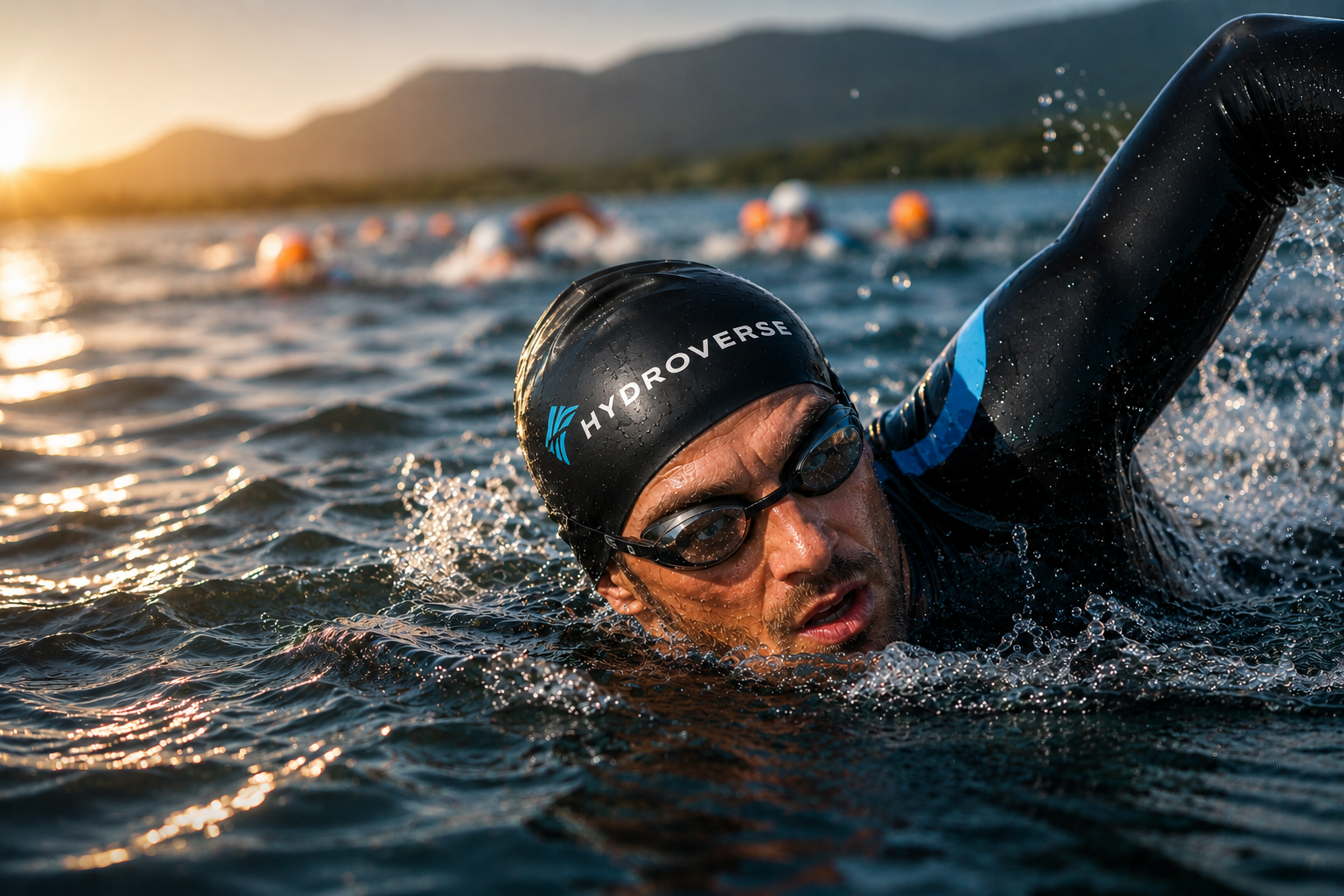
At Hydroverse, we help swimmers prepare for their triathlons every day. For us, triathlon swim training is often misunderstood, and we have found that many swimmers come to us with misconceptions about the steps they must take to prepare for their competitions.
Many athletes come into the sport from a running or cycling background, and they assume that the swimming part is all about fitness and endurance, disregarding the huge amounts of work that need to be done in the pool to enhance their actual technique. Swimming is different than running or cycling; swimming is on its own a different beast.
Unlike running or cycling, swimming is highly technical. You can be extremely fit and still struggle in the water if your technique, breathing, body position, or any other components of the stroke are inefficient.
With this being said, this is why many triathletes experience the same frustrations:
- They feel exhausted early in the swim
- They struggle to swim straight and in control when in open water
- They get out of breath too quickly
- They fight the water instead of moving through it
- And they end up finishing fatigued
But we have good news.
With the right triathlon swim training structure, you can dramatically improve your efficiency, confidence, and speed in the water without simply training harder.
This guide will break down a few important points that you must know before you get started with your triathlon swim training. Whether you are preparing for your first triathlon or aiming to improve your performance, this guide will help you swim efficiently.
Why triathlon swim training is different
Open water swimming is not the same as competing in the pool. When in a triathlon, the goal is not simply to swim as fast as possible, but to swim efficiently, save energy, stay relaxed throughout, navigate open water effectively, be aware of your surroundings and be ready to jump on a bike straight after.
This on it´s own, changes the way you train. Many triathletes make the mistake of focusing only on distance and volume and their disregard their technique, which is the most important part.
Swimming without improving your overall technique usually leads to:
- Poor movement patterns
- Increased fatigue
- Lower efficiency in the water
The Key Areas Every Triathlete Should Focus On
All triathletes, when preparing for their open water swim, should focus on these key areas:
- Technique and Efficiency
This is where you will build your foundations for better performance.
The better your stroke mechanics are, the less energy you waste! Even small technical improvements can significantly reduce drag and improve speed in open water.
- Endurance
Triathlon swimmers need the ability to maintain a consistent effort over a long distance while staying relaxed and in control of their strokes. This is very different from any other competition in the pool.
Endurance is built through controlled aerobic work, efficient pacing, consistent breathing rhythm, and relaxed movement patterns.
- Open water skills
In open water, swimmers have to learn a set of new skills that will help them on their triathlon journey. These include:
- Sighting
- Navigation
- Physical contact
- Variable conditions
- Pacing under stress
Without having specific open water preparation, swimmers can struggle on race day even if they feel strong in the pool.
Structuring your triathlon swim training
This is potentially one of the biggest things swimmers lack when preparing for an open water competition. Structure.
A good swim session should have a clear purpose, especially when it comes to preparing for a triathlon. Instead of simply jumping into the pool and swimming endless laps, every swim session should target a specific adaptation that enhances a specific part of the stroke.
A balanced triathlon swim training plan and structure should include:
- Technique work
- Aerobic endurance
- Speed development
- Open water preparation
- Recovery
Pool training vs open water training
Both serve different purposes for different stages of the swimmer´s preparation.
Pool sessions are ideal for:
- Improving stroke mechanics
- Controlled pacing
- Drill work
- Breathing practice
- Speed sets
- Technical awareness
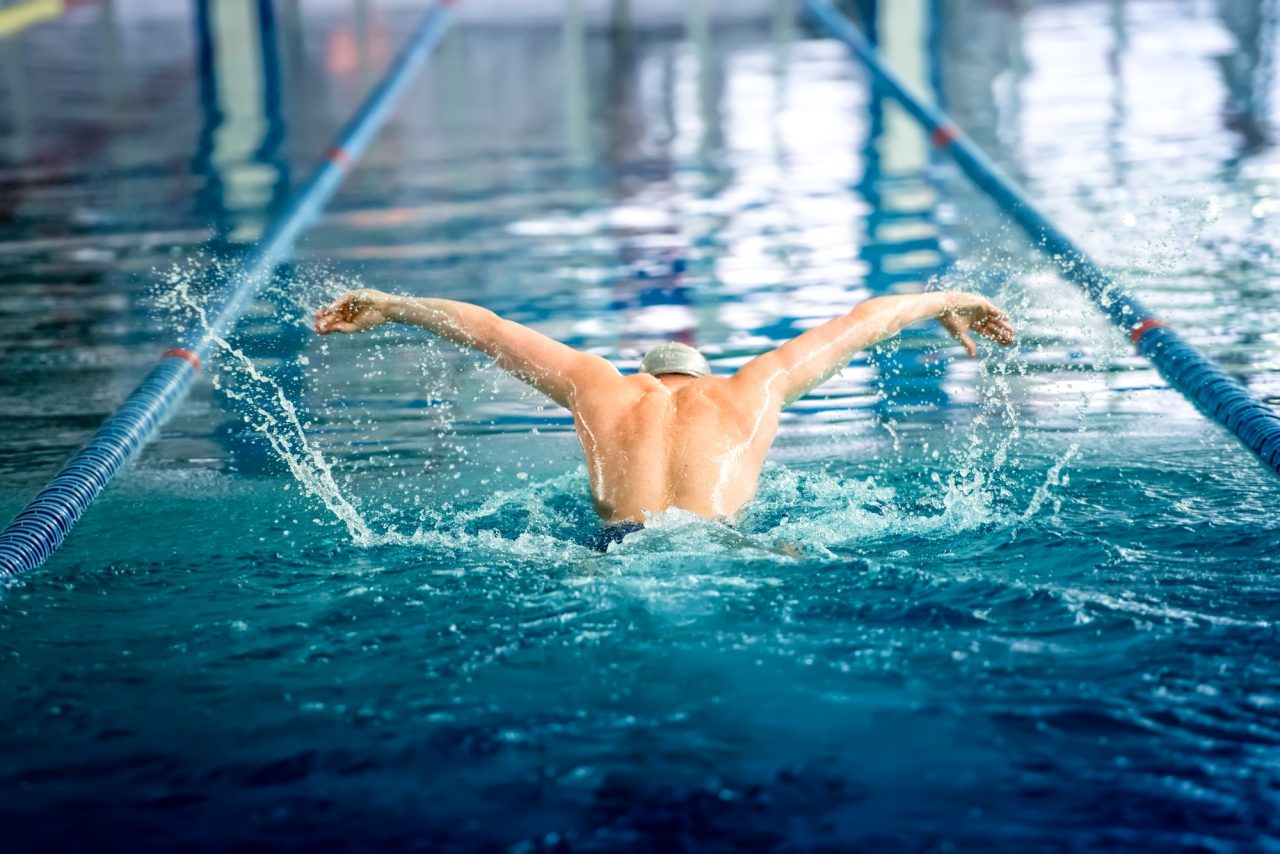
What the pool does is provide a controlled environment where swimmers can not only focus but also refine their technique and swimming patterns.
Here is where most of the technical development should happen. The technique drills swimmers do when in the pool might focus on things like kicking, arm pulls, timing, body position, rotation, or water feel.
In the pool is also where endurance is built through aerobic sets that might include moderate to elevated effort drills. These develop sustainable swim endurance that will help when in open water, while reinforcing efficient movement.
Speed is also an important factor to work on in the pool. The right drills can enhance speed adaptation, stroke rate control, and increase familiarity with race pace for race day preparation.
Open Water Training
On the other hand, open water swimming introduces skills that cannot fully be replicated in a pool. Triathletes should gradually include open water sessions as race day approaches. When it is hard to find open spaces where to train, is important that the coach simulates an environment where the swimmer can still experience similarities when in a pool.
Open water training helps swimmers become comfortable with:
- Sighthing
- Swimming straight
- Pacing under pressure
- Drafting
Key Open water skills
Sighting:
One of the biggest challenges in triathlon swimming is staying on course, and it is important that swimmers learn how to master this skill. Poor sighting wastes energy and adds unnecessary distance. Good sighting should be quick and controlled.
They key is to lift the eyes just enough to see forward while avoiding lifting the entire head and breaking the rhythm of the stroke.
Drafting:
This is when a swimmer swims behind or beside another swimmer to reduce resistance and save energy. Good drafting can significantly improve efficiency during races so it´s definitely an important skill to master.
Anxiety management:
One of the most underrated skills. And it starts with breathing!
Many swimmers experience elevated stress in open water which causes swimmers to panic or experience fast breathing as well as huge tension on their bodies. Practicing calm and controlled breathing, seeing as meditation, is essential.
How to Build Swim Endurance and Speed for a Triathlon
Here we enter one of the biggest misconceptions in triathlon. Endurance and speed don´t come from swimming more or with more effort.
In reality, they both come from swimming more efficiently, controlling the breath, relaxing the body and mind, and having consistency in pacing.
Many swimmers get tired because they hold their breath, swim too fast, create excessive drag, or hold tension in their bodies. Speed, for example, should be built on top of efficiency!
Trying to increase stroke rate without proper technique usually causes swimmers to slip through the water, increase fatigue, and reduce their propulsion.
For any swimmer aspiring to be a triathlete, it is important to focus on improving the catch and pull phases, reducing drag/resistance through specific drills, and building stroke efficiency.
Swim Smarter, Not Harder
Triathlon swimming training is not about swimming harder. It is about swimming smarter and with intention. The swimmers who focus on technique enhancement are the ones who become more efficient and therefore, quicker in the water.
For any swimmer seeking higher performance in any open water competition, having the right training methods and support is mandatory.
And this is where Hydroverse comes in!
With years of experience in the industry, our coaches are here to help you achieve your goals, improve your overall skills, and enhance your technique to make you ready for the big day.
Adult Swimming Lessons in London
If you are looking for adult swimming lessons in London, choosing the right pool and the right coaching can completely change your life.
You can explore our locations and book here:
- Kew Gardens – https://hydroverse.co.uk/kew-gardens/
- Sheen – https://hydroverse.co.uk/sheen/